Clinical Services
Utilizing massage modalities such as deep tissue, swedish, myofacial techniques, trigger point, sports, and Tui Na to release muscle tension, increase range of motion and blood flow, while promoting relaxation, calming the spirit, and reducing stress.
60 or 90 or 120 min appointments available.
The appointment lengths have different pricing:
60 minutes — $150
90 minutes — $200
120 minutes — $275
Please select the duration that best meets your needs when booking, or ask the practitioner what is right for you.
Utilizing Chinese Medicine and its time tested modalities of acupuncture, dry needling/trigger point, cupping, gua sha, moxabustion, and Tui Na, to improve energy balance, improve flow, decrease pain, improve ROM, promote relaxation, center the body, mind, and spirit, and treat the presenting condition. Points and techniques are utilized according to your unique presentation, and your chief complaint.
60 or 90 min appointments available.
The appointment lengths have different pricing:
60 minutes — $100
90 minutes — $150
Please select the duration that best meets your needs when booking. Consultation recommended for a more refined treatment.
Clinical FAQs
What is Tui Na?Tui Na is a traditional massage and bodywork technique rooted in Chinese Medicine. Translating to "push and grasp," this vigorous technique involves using the fingers, hands, forearms, and/or elbows to open the meridians, improve movement and flexibility, and reduce pain.
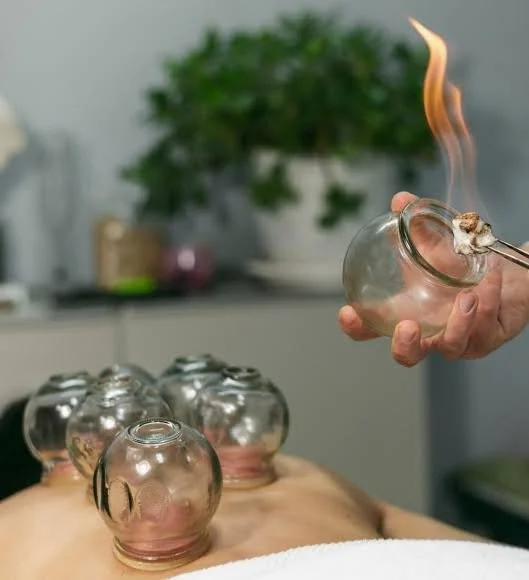
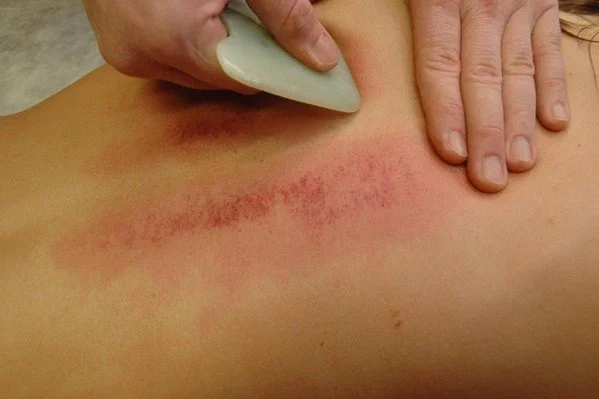
What is cupping?Cupping uses glass cups and fire to create suction, which lifts the skin and fascia to open the meridians, reduce pain, and relieve muscle or structural tightness. The resulting marks, known as "sha," are a byproduct of the treatment and serve as a diagnostic reference. This sha is not painful and will subside within two to five days, depending on the intensity or dosage of the treatment.
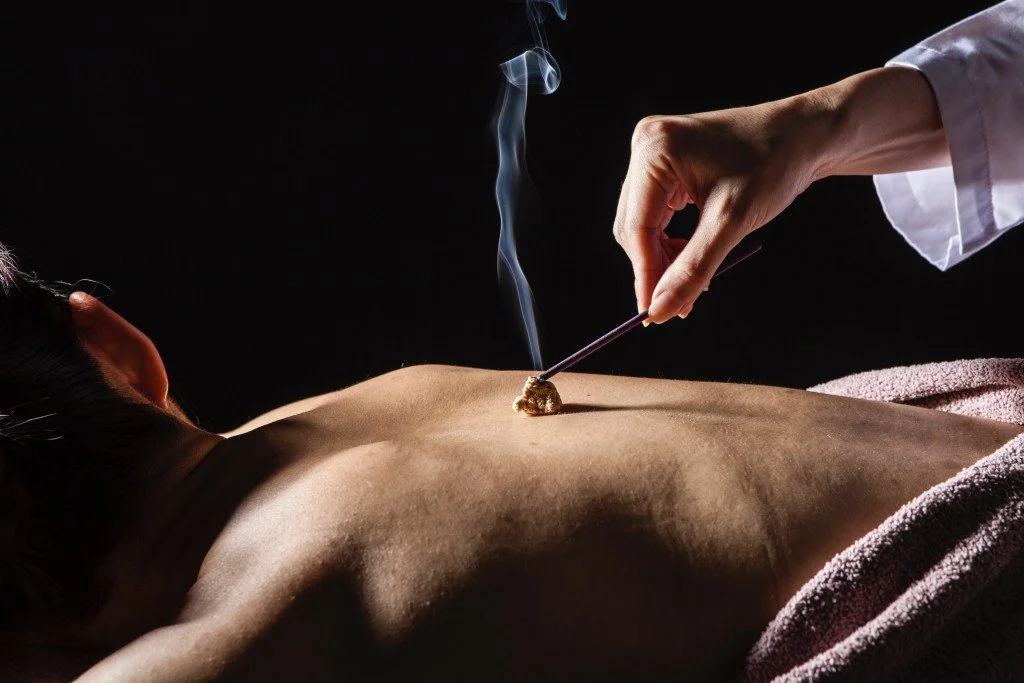
What is moxabustion?Moxibustion, or moxa, involves using the Chinese herb mugwort to provide the body with energy when needed. The loose herb can be utilized on the body in a couple of different forms, with direct and indirect moxa being the most common. Direct moxa is applied to an acupuncture point and burned directly on the skin. Once the client feels a warm sensation, the practitioner removes the burning moxa to prevent burns. Indirect moxa uses a moxa roll that hovers over an acupuncture point. When the sensation becomes warm, the practitioner moves the moxa away, also preventing burns.
What is the difference of dry needling and acupuncture? Dry needling is a technique that many people are familiar with. This technique uses acupuncture needles to manually release tight tissue through various manipulation methods. Often, these treated areas do not align along traditional channels, nor are they specific acupuncture points; instead, they focus heavily on tight and restricted tissue. Acupuncturists can utilize this technique within a treatment, depending on how a client presents.
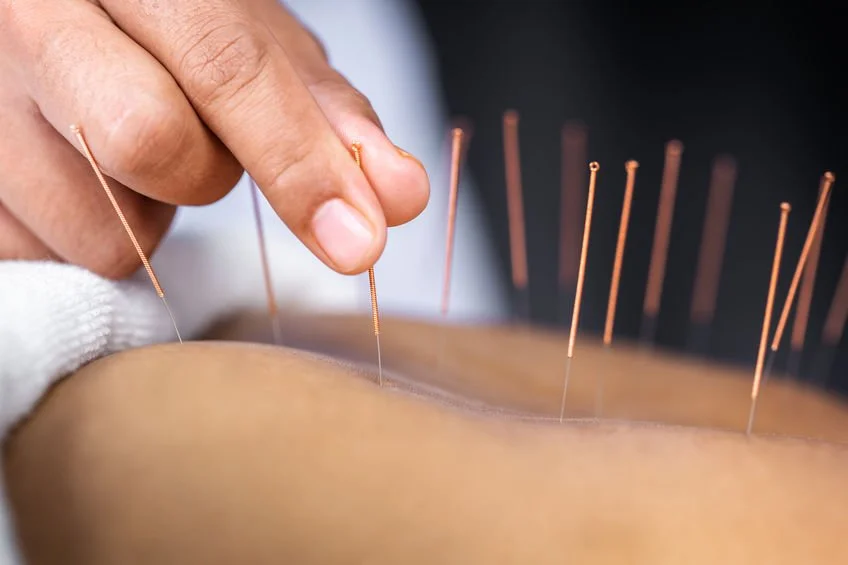
Acupuncture uses thin needles to stimulate specific points and meridians to affect certain conditions, promote relaxation, and balance the body's energies.